
Number of Return
10 TimesROI
8%Total Unit
10Maturity
256 DaysUnite Price
1,000,000 Uganda ShillingsReturn Period
5 YearCapital Back
NoInvestment Last Date
30 Apr 2027



Apac, Uganda
Number of Return
10 TimesROI
8%Total Unit
10Maturity
256 DaysUnite Price
1,000,000 Uganda ShillingsReturn Period
5 YearCapital Back
NoInvestment Last Date
30 Apr 2027You are Sponsoring:
Available Unit
BAMBOU PLANTING EMPOWERMENT Ltd
Bamboo-based Agroforestry
APOI Bamboo Agrisilvopasture Estate
Description
APOI Bamboo Agrisilvopasture Estate is a 2,000Ha special purpose vehicle (SPV) that promotes the transition from conventional to sustainable cattle ranching practices in small & medium-sized farms in Apoi subcounty, Apac district, Northern Uganda. The vehicle provides ranchers with the necessary planting materials, inputs and technical assistance to implement bamboo-based silvopastoral production system (SPS) and supports the development of a grouped carbon project. It generates revenue through profit-sharing agreements with ranchers on productivity gains and the sales of high-quality carbon credits.
Conventional cattle ranching in Apoi is unsustainable, occasioned by overgrazing, the excessive, continuous grazing of livestock before pasture recovers, causing significant land degradation by destroying vegetation cover, compacting soil, and reducing biodiversity. The community is currently highly vulnerable to the impacts of more frequent and intense climate events. Apoi is highly vulnerable to the impacts of climate change, as the community already routinely experiences damaging droughts and floods intensified by climate variability. The growing threat of extreme events on degraded ecosystems with low adaptative capacity poses additional risks for the already stressed agricultural sector. Transitioning to more sustainable, climate-resilient, and nature-positive ranching models is imperative to accomplish the Uganda’s climate objectives and development goals.
To address these challenges, BAMBOU.eco is designing a special purpose vehicle (SPV) to finance the transition to silvopastoral production systems (SPS). SPS encompasses diverse sustainable management practices that integrate native trees and vegetation transforming degraded pastures into productive grazing lands. These systems enhance soil health, increase biodiversity, improve productivity, and capture carbon, making them crucial for climate mitigation and adaptation. SPS are a proven approach to enhance the resilience and adaptative capacity of the cattle sector through ecosystem restoration. Tree shade, increased fodder availability, and sustainable management lead to more nutritious and stable pastures and water supply, reduced heat stress, and biological pest control, leading to more reliable production and farmer income.
The SPV will finance this transition to SPS through profit participation agreements, reducing the burden of upfront capital costs for ranchers. It will also provide technical assistance, leveraging over three years of empirical research and experience developing SPS Pilot in Onyany, Apoi subcounty, Apac district through the …. Additionally, the SPV will structure an associated carbon project and commercialize the credits, creating an additional revenue stream.
Why we Choose This Investment
Assessed against the TIGImpact criteria, the SPV is:
· Innovative: The vehicle addresses barriers such as lack of access to capital for medium-sized ranchers, ranchers’ aversion to debt, and lack of required technical knowledge. It does so by combining profit participation agreements (instead of loans), carbon credit revenue, and long-term technical assistance.
· Actionable: The instrument leverages TIGImpact’s long-standing experience leading the transition to regenerative agricultural practices in Uganda, as well as its close engagement with local farmers and partner organizations. Additionally, it aligns with national climate priorities.
· Financially Sustainable: The instrument proposes a commercially viable return for private investors through the combination of profit-sharing agreements on productivity gains and carbon credit sales. Moreover, the structure includes a guarantee to mitigate downside risk, as well as a concessional layer to adjust the return for different types of investors.
· Catalytic: The pilot will leverage grants and concessional capital to demonstrate the viability and financial feasibility of silvopastoral interventions, helping drive private investment and encourage widespread adoption of sustainable agricultural practices across Uganda, with a potential of up to 1.4 million hectares suitable for SPS.
Additional Details
· Minimum Investment Requirement: UGX150M
· Maximum Investment Amount: UGX300M
· Form of investment: Equity Investment (Preferred shares)
· Use of Funds: The funds are intended to be deployed primarily for three key purposes: on-farm implementation of SPS, design and develop a grouped carbon project that aggregates mitigation impacts across participating farms, and technical assistance and monitoring of the SPS implementation.
· Theory of Change (ToC)
GOAL
Scaling sustainable cattle-ranching practices based on bamboo-based silvopasture production systems (SPS) with the purpose of improving productivity, enhancing farmer’s resilience and livelihoods, reducing GHG emissions and optimizing land use.
IMPACT
Climate mitigation
· Reduced methane emission
· Increased carbon sequestration
· Reduced pressure of deforestation
Climate adaptation
Enhanced resilience to climate risks (drought and floods) through ecosystem restoration and sustainable management
Ecosystem conservation and restoration
Improved soil health, watershed protection, increased biodiversity
Improved ranchers’ livelihoods
OUTPUTS
· Improved cattle diet
· Increased carbon sequestration
· Enhanced soil health,
· Biodiversity gains
· Improved animal welfare
· Enhanced resilience
· Higher productivity
· Stabilized productivity
OUTCOMES
· Hectares of land transitioned to regenerative practices
· Increased forest cover, restored soils and protected watersheds
· Knowledge transfer and capacity building on SPS
· Profit sharing agreements with ranchers
ACTIVITIES
Implement SPS
Develop carbon projects
Provide TA
Please see the Financials tab and the Investment and LLC Agreement for additional information. The Private Placement Memorandum (PPM) is available in the Documents tab to be viewed or downloaded. The PPM and offering descriptions should be read carefully to fully understand the objectives, risk factors, charges, and expenses of an investment.
Risk Factors and mitigation
Please refer to the PPM for the full list of risk factors.
· Geographic Concentration - The Company’s activities will be limited to acquiring and holding the Property as an investment and are therefore inherently concentrated in a specific geographic location. A stagnant or depressed economy or adverse climate condition in the area in which the Property is located could adversely affect the operation of the Property and the Company’s ability to provide a return or any profit to investors.
· Securing ranchers’ buy-in - Apoi subcounty was selected as the initial target region because previous pilot SPS project have been successfully implemented here, so ranchers are already familiar with and curious about the SPS model.
· Third-party property managers may not be effective - The Manager, on behalf of the Company, may retain third-party property managers who will, under the supervision of the Manager, oversee the day-to-day operations of the Property by the tenants. The success of the Company will, accordingly, depend on the performance of such third-party property managers, and their failure to successfully perform their management duties could adversely impact the Property’s results of operations and could reduce cash available for distributions to Members of the Company.
· Addressing uncertainty regarding carbon credits markets and regulation - To ensure the integrity of carbon projects, BAMBOU.eco’s carbon team is conducting an in-depth feasibility study and will lead the project structure and development. BAMBOU.eco’s carbon credit policies are stringent, and require a robust MRV system, as well as demonstrable social and biodiversity co-benefits. Additionally, to ensure transparency and community participation, the project will include capacity building with ranchers.
· Fundraising with commercial investors - The instrument design includes a number of de-risking strategies to attract commercial capital: potential anticipated off-taker agreements for beef, milk, bamboo and carbon credits, and a 5-year technical assistance component.
Ownership & Operating Structure
The instrument will target private and concessional investors, and philanthropic and development capital providers. Farmer outreach and enrollment will be spread across seven annual cycles, with each cohort formalizing the participation of ranchers with the signature of a profit-sharing agreement and a carbon commercialization agreement.
The pilot (the intervention of two prior cohorts of enrolled farms) was fully financed with philanthropic capital to test the case and build a track record. Subsequent cohorts, 3-7, will aim to attract both private and concessional capital, as per the description above.
TIG Impact Centre t/a ECOERA Ventures will provide fund management services and coordinate administration of the operations through its platform www.ecoera.ventures
Maps
Block A: Onyany & Oyito Ikore Cells
· Location: xx
· Acreage: 600Ha
· Heads: 1,200
· No. of Farmers: 300
Block B: Apoi Central
· Location: xx
· Acreage: 600Ha
· Heads: 900
· No. of Farmers: 225
Block C: Wi Gweng, Apalamio & Alia Cells
· Location: xx
· Acreage: 800Ha
· Heads: 900
· No. of Farmers: 225
Overview
Maps
Financials
Documents
Financial Assumptions
The SPV intends to reach a total of 200 farms, each with an average area of intervention of 10 hectares per farm. Following the envisioned operational timeline below (Figure 4), the financial model reflects a 25-year timeline, and assumes that the farms start receiving productivity gains in the year following SPS implementation.
To finance these projects, the instrument is seeking USD … million in its initial stages. Once productivity gains start to materialize, the vehicle aims to reinvest USD … million to support the operations. The distribution of the sources of capital is shown in Table 3.
Review the full financial model
Link to Full Financial Model
Total Cost of Infrastructure
Particulars
Amount (UGX’000)
Lease and ECO+ PCaaS installations (1)
105,000
Land Due Diligence Fee (2)
5,000
Title, Transfer & Closing Costs
15,000
Legal, Secretarial & Filing Fees (3)
3,000
Working Capital Reserve (4)
10,000
Total Improvements (5)
12,000
Total Estimated Cost of Infrastructure (6)
150,000
Total ECO+ PCaaS infrastructure
12
Total Cost Per ECO+ PCaaS infrastructure
12,500
(1) Infrastructure including ECO+ Greenhouse and Technology and Automation – xx
(2) A Land Due Diligence Fee will be paid for due diligence services including identification, valuation and registration of the farmland assets, infrastructure and value-add improvement assessment, relevant physical due diligence, collection and review of relevant documentation related to the properties and its production history, pro forma financial modeling, tenant identification, and lease negotiation, preparation and implementation.
(3) Legal, Secretarial & Filing Fees include various potential fees for verification, escrow, administration, and others. Entity may, from time to time, be required to make filings with, and pay fees to, federal and state securities law regulatory authorities in connection with the issuance of shares in an entity.
(4) TIGImpact typically maintains a UGX10M minimum balance in the account for each venture. However, all of the above figures are estimates only, and thus this working capital reserve may end up larger should our estimates of costs like title fees be too high. Inversely, TIGImpact may require usage of some working capital reserve should our estimate of closing costs be too low.
(5) The improvement budget is planned to be used for land leveling and drainage improvements.
(6) Figures may not be exact due to estimates and rounding. See Investment Agreement.
Revenue Estimates
Particulars
Amount (UGX’000)
Estimated Revenue per ECO+ PCaaS per season (1)
12,000
Number of Operational ECO+ PCaaS (2)
12
Estimated Total Revenue per season
144,000
Estimated Total Revenue per year
192,000
(1) Estimated revenue is the expected revenue per ECO+ PCaaS infrastructure over a season (9 months).
(2) Number of Operational ECO+ PCaaS infrastructure is the infrastructure established with Minimum Investment in the first year.
Operating Expense & Net Income Estimates
Particulars
Amount (UGX’000)
Total investment
150,000
Total revenue
192,000
Investment Management Fee (% of Investment)
2.5%
Operations Management Fee (% of Revenue)
5.0%
Annual Management Fee (1)
13,350
Estimated Annual Taxes (2)
-
Estimated Annual Insurance (3)
5,000
Direct costs – inputs, (4)
76,800
ECO+ PCaaS pay-as-you-go fees
34,000
Total Est. Annual Expenses (1+2+3+4)
129,150
Total Estimated Annual Net Income
62,850
Estimated Average Annual Net Cash from Operating Activities as a Percentage of the Total Capital Expenditures
41.9%
(1) Should the value of the underlying infrastructure increase or decrease based on occasional appraisal, TIGImpact may adjust the fee accordingly to maintain the fee as 2.5% of the total investment value.
(2) Estimated only. Actual taxes may vary according to assessed value.
(3) Estimated liability insurance only. Actual insurance rates may vary.
(4) Estimated tax preparation and filing fees. Actual fees may vary.
__________________________________________
Overview
Maps
Financials
Documents
Company materials
· Flyers
· Pitch Deck
· Business Plan
Organizational Documents
· Certificate of Incorporation
· Memorandum and Articles of Association
· TIN and Tax Clearance Certificate
· Trading License
Offering Documents
PPM


We actively participate in the development, operation and scaling of sustainable ventures and finance instruments in the domains of food system, renewable energy and sustainable housing.
Venture Building & Entity Creation
Investment
Management
Distributions & Exit

Apac, Uganda EcoFrames’ Studio Ltd Affordable Structures with Bamboo Frames www.ecoframes.studio Product: APOI ECO+ PCaaS Capital Being Raised UGX300,000,000 ECO+ PCaaS installations 30 Target Net IRR xx Target Net Cash Yield xx Target Net MOIC xx Target Hold 5 Years Minimum investment (1 share) UGX1,000,000

Product: Bamboo Tissue Culture Plantlets Capital Being Raised xx Bamboo TC Plantlets xx Target Net IRR xx Target Net Cash Yield xx Target Net MOIC xx Target Hold xx Minimum investment xx

Lira, Uganda TOPFARMS Agrifood Ltd Agrifood aggregation, processing and trade www.topfarmsagrifood.com Product: Fresh produce & value-add products Capital Being Raised UGX200,000,000 Fresh produce & value-add products 100 ton Target Net IRR xx Target Net Cash Yield xx Target Net MOIC xx Target Hold 5 Years Minimum investment (10 share) UGX1,000,000
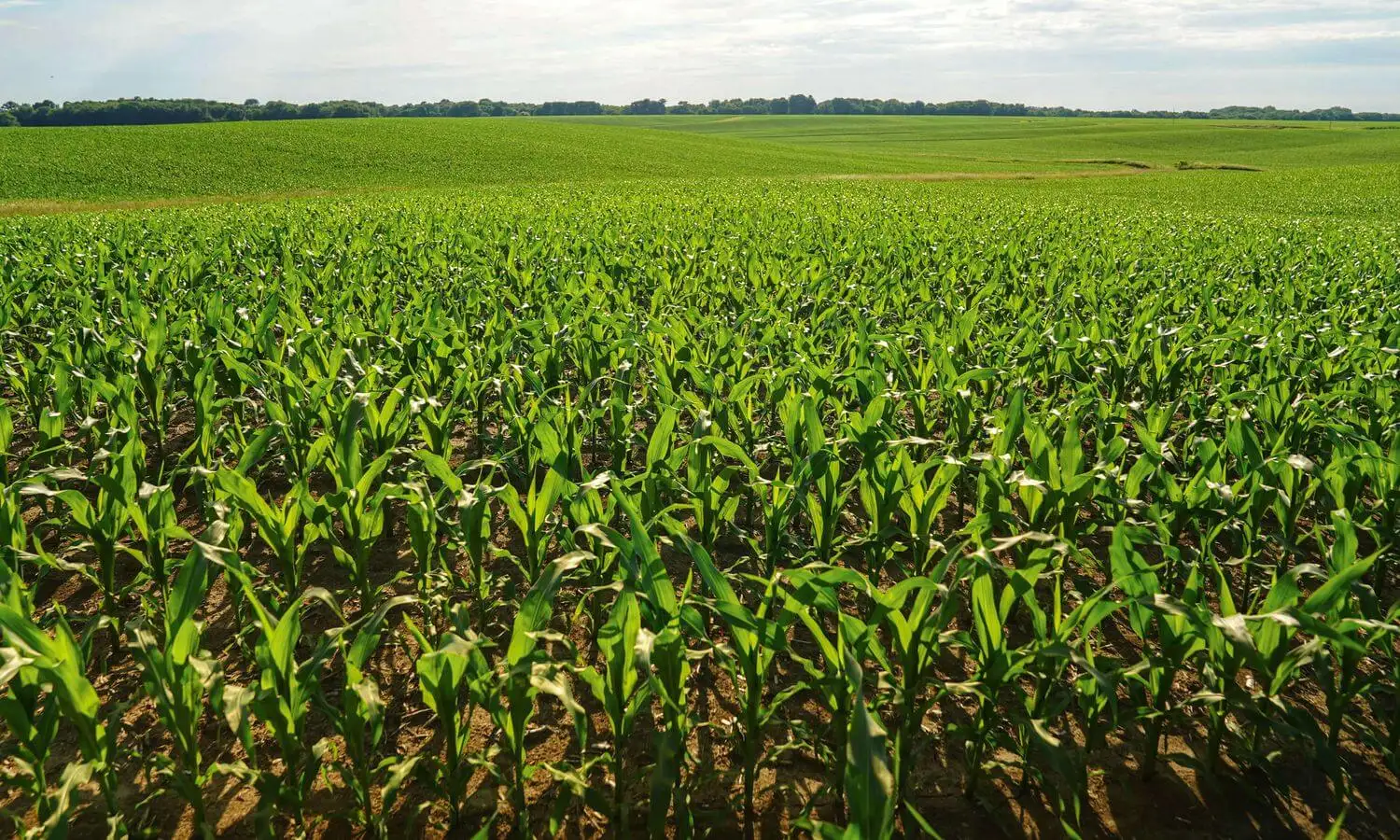
The APOI ECO+ PCaaS is envisaged as a 5years, 100 acre, grouped 3,000 ECO+ Greenhouse production horticulture farm located in Apoi Subcounty, Apac. This investment is an opportunity consisting of a farm with robust optionality for horticulture and livestock in a core region of the Kyoga Plains. We believe this region’s strength lies in the irrigated production of horticulture derived from fertile soils and robust water resources.
 your Money